Hvordan spare penger på bensin
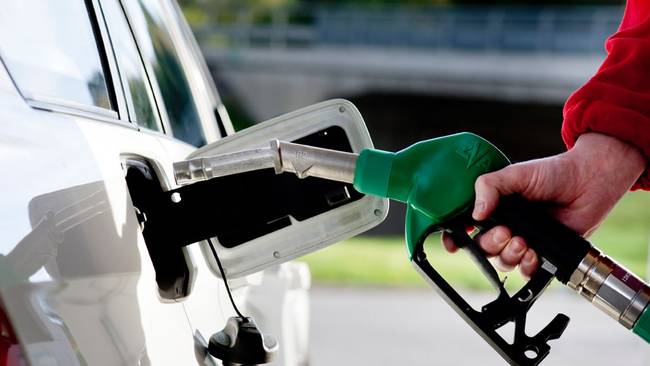
Det går sjeldent en uke uten at det skrives noe om norske olje- og bensinpriser i landspressen, og man hører stadig klager fra det norske folk om at bensinprisene er for høye. Dersom du kjenner deg igjen i sistnevnte, så har vi en gladnyhet til deg – det finnes nemlig måter å spare penger på bensin på. Den enkleste måten som vi skal se nærmere på her, er ved å betale for bensintankingen med et kredittkort.
Slik sparer du penger på bensin
Det har seg nemlig slik at svært mange kredittkort i det norske markedet gir deg bonuser når du fyller bensin. Dette kan være hos en spesifikk kjede, eller som ved de aller beste kredittkortene uavhengig av kjede. Og som du kan lese av de tre kortene vi skal anbefale under her, så er det snakk om ganske stor innsparing. Kanskje best av alt er det at det ikke er noe ekstra bry med denne ordningen, for alt du behøver å gjøre for å få bonusen er å betale med det aktuelle kredittkortet. Enkelt og greit, med andre ord.
365Privat MasterCard
Et av de mest populære bensinkortene på markedet, som gir deg kanskje den aller største innsparingen, heter 365Privat. Det har i over et tiår vært et meget bra kredittkort for å spare penger på bensin, og kortet gir deg en bonus som samsvarer med navnet – altså 3,65 prosent. Med dagens bensinpriser utgjør det vanligvis en bonus på rundt 50 øre/literen, uavhengig av hvilken kjede du fyller tanken hos. Men, og det er et stort men her, for dersom du fyller tanken hos Esso, så får du i tillegg 30 øre ekstra tilskrevet bonusen din. Med andre ord er det snakk om en ganske så solid bonus!
Flexi Visa
Flexi Visa er et kredittkort som er en skikkelig utfordrer til overnevnte 365Privat. Kortet tilbys av Santander, og er som navnet tilsier, et kredittkort for deg som vil ha fleksible bruksområder. Det betyr at du ikke bare kan spare penger på bensin, men det er dette vi nå skal fokusere på. For med Flexi Visa får du hele 4 prosent avslag når du fyller bensin, også her er det uavhengig av hvilken kjede du fyller tanken hos. Når bensinprisen er på 15 kroner/literen, så får du med dette kredittkortet en innsparing på 60 øre/literen. I løpet av et år kan det bli snakk om ganske mange hundrelapper.
Stasjonsspesifikke kredittkort
Begge de to overnevnte kredittkortene er utmerket for deg som ønsker en viss frihet og ikke føle deg avhengig av å stoppe bare hos den ene kjeden. Men hver enkelt bensinstasjonskjede har også sine egne kredittkort, som kan være midt i blinken for deg som uansett bare stopper hos enten Shell eller Statoil. Førstnevnte sitt MasterCard gir deg en bonus på 40 øre/literen, men kjører ofte kampanjer som utvider denne bonusen betraktelig. Når det gjeler Statoil så får man i utgangspunktet bare en bonus på 30 øre/literen, men dersom man fyller over et visst antall liter årlig så vil denne bonusen øke med 10 øre.
Drivstoffpriser
I tillegg til å skaffe deg et kredittkort, bør du også sjekke ut Drivstoffpriser.no som sammenligner priser på bensin hvor du bor.